
Adam Audio A7V Reference Monitors Review
· Audio · Headphones & monitors · 10:31
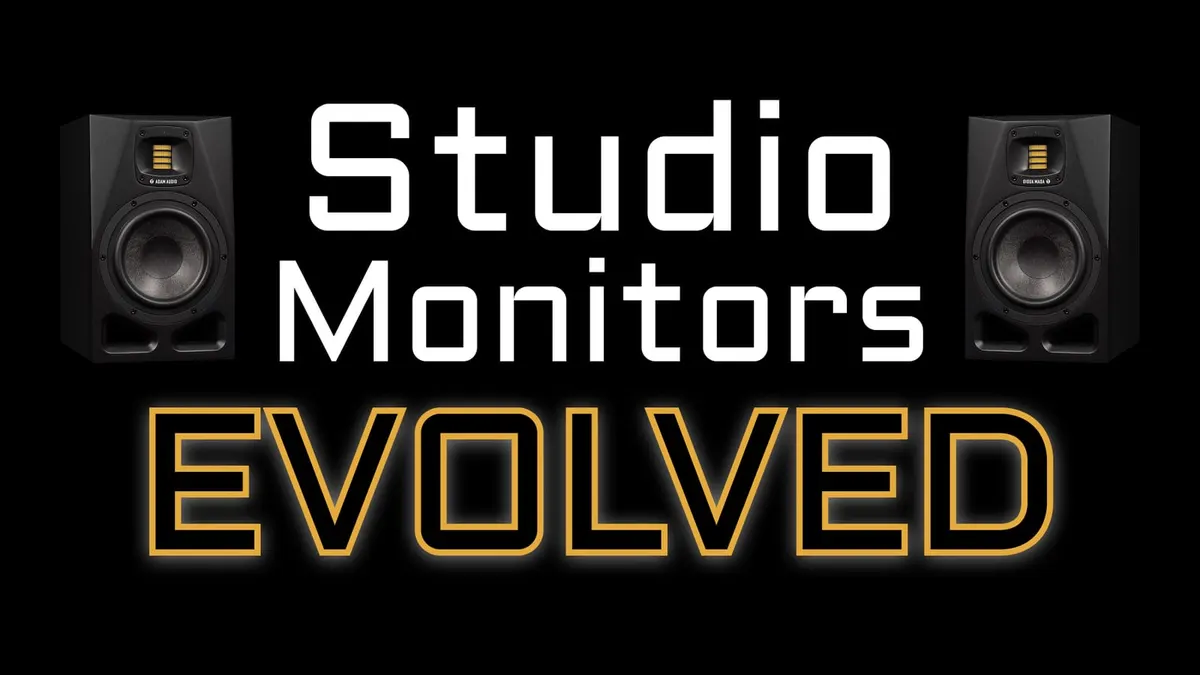
In this video, we look at the Adam Audio A7V near-field studio monitors for mixing sound for video. Spoiler alert! These are great monitors for professional mixing. More spoiler alert! The monitors are only half the deal. Your room makes a huge difference to what you hear. So, ideally, you’ll acoustically treat your room AND use a room correction system like SoundID Reference. And the A7V monitors can help you there, too — they’ll run your SoundID correction profile IN THE SPEAKERS, so you don’t have to run the SoundID Reference app on your computer. And also, if you cannot acoustically treat your room, you can at least use SoundID Reference. 👍
Gear used or mentioned
The links below are Amazon, B&H Photo, Sweetwater, or other affiliate links. As an affiliate, I earn from qualifying purchases.
- Adam Audio A7V — near-field studio monitors
- Canare XLR cable — (to connect your A7Vs to your audio interface)
- Sonarworks SoundID Reference — room correction system
- Sound Devices MixPre-3 II — 32-bit float audio recorder
- Sennheiser MKH50 — microphone
Read the transcript
I love headphones — they’re really useful, especially for editing dialogue — but I can’t mix in them all day, so I need monitors in my room too. I mix in a combination: headphones (almost always open-back) for editing dialogue, and monitors for actual mixing decisions, since good neutral reference monitors let me make choices that translate well no matter what listeners play back on. My main monitors are Focal Solo 6Bs plus a 12-inch Focal subwoofer, which cost over $5,000 nine years ago — out of reach for most people who aren’t doing audio mixing full time.
This video looks at the Adam Audio A7V, a more affordable option at $1,800 for a pair. Full disclosure, Adam Audio sent me the A7Vs free of charge and hasn’t told me what to say. An important reality: monitors are only half the equation — the room they’re placed in colors what you hear just as much. You can optimize by choosing good speaker placement, acoustically treating the room (I have about $2,000 of GIK Acoustics panels custom-designed for my room), and applying room correction software like Sonarworks SoundID Reference, which measures your monitors’ response at the listening position and applies EQ/phase correction.
What’s unique about the A7Vs: they use Adam’s X-ART ribbon tweeters (Accelerated Ribbon Tweeter), which generate high-frequency sound with less distortion than typical dome tweeters. They also have extensive hardware EQ configurability accessible right on the back of the speakers, plus Ethernet ports so you can control those EQ settings from your computer. The biggest feature for me: built-in digital signal processing, so I can load a SoundID Reference correction profile directly into the monitors via Adam’s control app, instead of having to keep the Sonarworks app running on my Mac, which I’ve had endless reliability trouble with after OS or app updates. They also come with a 2-year warranty extending to 5 years on registration.
After about 60+ hours of break-in and listening across music, video, and dialogue, they sound neutral, revealing, and honest right out of the box, close to my Focal setup though the Focals with their subwoofer go a bit lower in the bass. Measuring both setups with SoundID Reference at 30+ points around the listening position, the A7Vs would probably rival the Focal-plus-subwoofer setup at a much lower price point once corrected for my room. For my work — mostly dialogue with music beds — the A7Vs do the job really nicely: neutral, truthful, and with plenty of headroom so I’m never pushing them to their limits, which matters because straining monitors introduces its own coloration. Next I’d like to try them with a subwoofer. Get out there, make some great sound, and we’ll talk to you again next week.