
RODE DS2 Premium Desktop Microphone Stand
· Audio · Microphones · 4:10
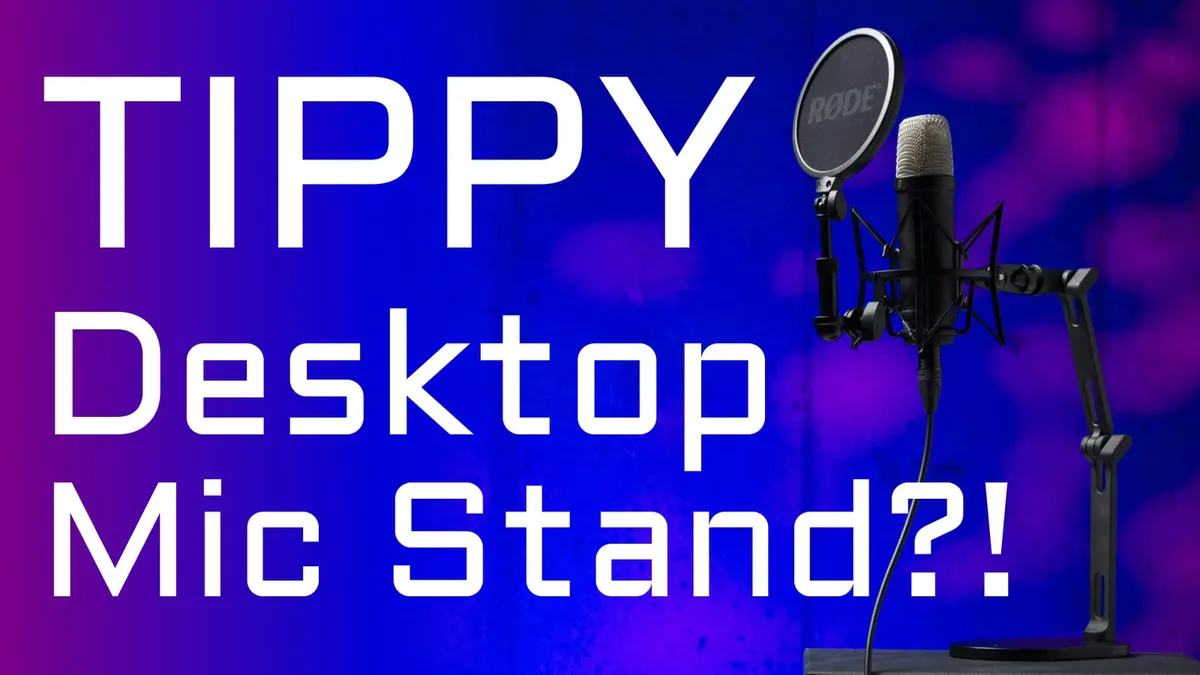
In this episode we do a quick overview of RODE’s DS2 desktop mic stand. This premium stand is a solid step up from the average desktop mic stand in terms of design, functionality, and overall quality. In this video we’ll walk through the DS2’s feature set as well as test its stability, durability, and resistance to picking up extraneous sound and vibrations. Let’s take a closer look!
Gear used or mentioned
The links below are Amazon, B&H Photo, Sweetwater, or other affiliate links. As an affiliate, I earn from qualifying purchases.
- RODE DS2 Desktop Mic Stand — B&H, Sweetwater, Amazon
- RODE NT1 5th Generation Large-Diaphragm Condenser Microphone — B&H, Sweetwater, Amazon
- RODE NT1 Signature Series (same as 5th gen but without USB — B&H, Sweetwater, Amazon
Read the transcript
A review of the Rode DS2 premium desktop microphone stand, aimed at buyers willing to spend more for reliability rather than the cheapest option. Most affordable desktop stands place the vertical shaft in the center of a small base, making them prone to tipping, especially with heavier mics and shock mounts (like a Rode NT1 5th Gen) leaning far over the edge, or when foam is added underneath for extra isolation.
The DS2 uses a solid metal base with the vertical shaft offset toward the back, so the mic’s overhang is counterbalanced by the base’s leverage, making it much more stable. It supports up to 950 grams (just over 2 lbs), has cable-routing slots in the arm for tidy USB cable management (not sized for XLR connectors, so XLR mics won’t route through it), and most US-market microphones (including all Rode mics) already include the needed 3/8”-to-5/8” thread adapter if required (available separately for $5-10 otherwise).
A desk-vibration test (typing on an Apple keyboard, tapping the desk) shows the DS2’s rubber base ring reduces but doesn’t fully eliminate vibration transfer into the mic as audible sound — worth factoring into your setup. Two knobs adjust the articulating arm’s angle smoothly, and the whole stand feels like a solid, premium hunk of metal with rubber-coated knobs, which helps justify its $90 price once you handle it in person. It also includes a 3/8”-to-1/4” adapter, making it usable for small cameras, lights, or a phone, not just microphones.
A nice touch: Rode used subtle, low-contrast black branding on this stand, unlike the more prominent, motorsport-sponsor-style branding on some of their other arms (like the PSA-1+) — appreciated. Hope that was helpful. Get out there and make some great sound — we’ll talk to you again next time.